Toni Jackson
Counselling & Psychotherapy for the Misunderstood

Coping With Christmas Stress
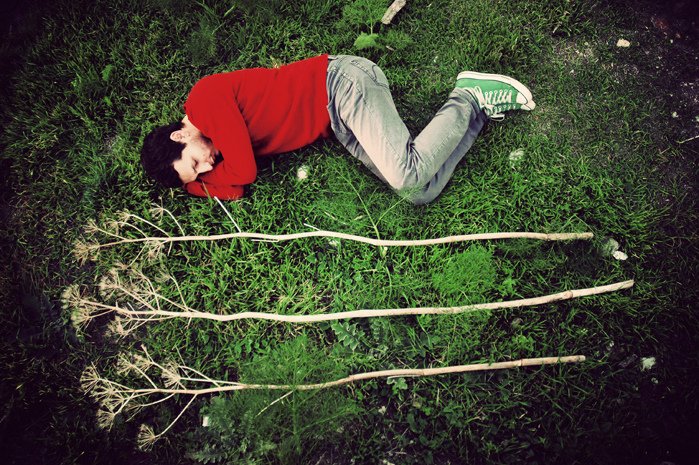
The Christmas season is a fun time for lots of people and not so much for others. If you’re struggling already, the extra social pressure to be happy and involved over the Christmas period can be too much.
Reasons Christmas may be difficult
This time of year can be particularly stressful and painful for people who have lost loved ones. It can also be extremely difficult for people who are triggered or upset by the behaviour of certain family members. Christmas can also be really hard to deal with if you struggle with depression, anxiety or an eating disorder. A recent relationship or marriage ending can be another reason Christmas is difficult – and this may be further complicated if there are children involved. Some people feel caught between different sides of their family, in terms of who others expect them to spend their time with at Christmas. Financial worries can be felt more acutely at this time of year. Another reason for stress in some people, is the need to have everything perfect – the perfect presents, food, house, or outfit.
The expectations of others
When you are not feeling especially strong or centred within yourself, the expectations and comments of others can push you further off balance. Comments from family members about what and how much you eat, or how jolly you should be, can be excruciating. It is a time of the year when you may feel out of your social comfort zone. Maybe you end up sitting at the Christmas lunch table next to an aunt, who insists on asking personal questions that make you feel uncomfortable. Or your grandfather has a habit of loudly announcing that you’re too skinny/fat/need a boyfriend/have weird hair/need to discipline your children. Or it might be that you feel really down and awful and are certainly not feeling the Christmas spirit, but feel pressure from family and friends to be perky and bright, and you just can’t.
Feeling lonely
Maybe too much socialising isn’t your problem. Maybe you feel lonely and alone and unloved at Christmas time and wish you had people around you. You see people you know on Facebook and Instagram appearing to be having a great time; and you wonder where your people are.
Be kind to yourself
During this holiday season, do what you need to do to take care of yourself. Be kind to you. Keep things simple – don’t create extra pressure for yourself to get things perfect. Have time out if you need it. Slow down and know that you don’t have to say ‘yes’ to everyone – constantly putting other’s needs before your own is not good for you. Contact someone you can rely on if you feel lonely or are struggling. Please call a crisis line if you feel you need extra support (see below).
Some suggestions for supporting yourself
Don’t wait until you’re in the thick of Christmas quagmire to work out how to get through it. Start supporting yourself now.
- Learn some calming, breathing techniques and practice them daily (you could google it if you’d like).
- Check out some mindfulness apps and start using them every day (two I love are: buddhify and smilingmind).
- If you’re not coping, or really not having fun, is there someone you can talk to about how you feel?
- If you’re interested in practicing how to assert yourself with others, a nice assertiveness strategy (Johnston, 2000) you might like to try, is to say:
“When you say/do ….”
“I feel …”
“Because …”
For example, “When you say I have weird hair, I feel sad, because I feel like you don’t accept me.”
I get that that may be too big a step for you to take. It can feel enormously scary to assert ourselves when we’re not used to doing so. Particularly with certain people and in certain situations.
Maybe if you’re not ready for that, you’d like to just think those statements in your head, rather than saying them out loud. Doing so, is a way to become clearer about your boundaries, and what is okay and not okay for you. If you are serious about learning how to be more assertive, you might like to look into some counselling or psychotherapy. - Do a regular check in with yourself. Notice how you feel, and try to be aware of what is your stuff and what is someone else’s stuff. Remember that what people say and do is more a reflection of themselves, than it is about you and your worthiness.
- Write down all your worries, without editing them. First consider how realistic they are – some may lose their power through the act of writing them out. Write another list of what you can do to feel calmer, stronger and more centred around the worries that do feel likely to occur. Then write a third list, of the things you actually do enjoy about this time of year. This is a good way to balance where you are focusing your thoughts – yes, there may be a lot you don’t like about Christmas, but don’t forget about what you do like. For example, having time off work, eating nice food, enjoying the weather, giving and receiving presents, or what ever it is for you.
- Do nice things for yourself. What would that be for you? What can you do for yourself, that would make this time a little better for you, rather than gritting your teeth until it’s over?
- If you do find yourself in a stressful social situation, and you feel you’re not coping so well, try giving yourself a moment. This could look a number of ways: take three, long, slow, deep breaths. Or notice your surroundings in detail by focusing on one of your senses at a time – what can you smell, hear, see, feel or taste? Or, physically remove yourself for a moment – go to the bathroom, outside, or for a walk. How would it be for you to communicate your needs to others? Could you let whoever you’re with know you’re not feeling great, and that you need some time out/a hug/or to not talk about that awkward thing right now?
And know that you will get through this time. It will pass, just as it has every other year.
Some Australian crisis numbers:
• Suicide Call Back Service – for people 15yrs+ who are suicidal, caring for someone who is suicidal or bereaved by suicide. Immediate phone or online counselling, plus they offer follow up calls. Professional counsellors.
http://www.suicidecallbackservice.org.au or phone 1300 659 467 (24hrs a day)
• Beyondblue – depression and anxiety
http://www.beyondblue.org.au
• Lifeline – suicide prevention and support for people in crisis
http://www.lifelinewa.org.au or phone 13 11 14 (24hrs a day)
• Kids Helpline – for young people up to 25yo who need to talk to someone
http://www.kidshelp.com.au or phone 1800 55 1800
• 1800Respect – sexual assault, domestic & family violence
http://www.1800respect.org.au or phone 1800 737 732 (24hrs a day)
If you’d like some more suggestions on getting through the holiday season, you might like to check out this: 15 Great Christmas Blogs To Get You Through The Holiday Season
Take care and best wishes,
Toni
To contact Toni Jackson for enquiries and psychotherapy and counselling appointments, please call: 0439 995 302 or email: toni@tonijacksoncounselling.com
Reference: Johnston, A. (2000), ‘Eating in the Light of the Moon’ Carlsbad, CA. Gurze Books.
Photo credit: mehmet nevzat erdoğan via Foter.com / CC BY-NC-ND
How to Get the Most Out of Your New Year

I don’t do new year resolutions. I’m not convinced of their effectiveness. However, what I do love to do, as one year ends and a new one begins, is to reflect back and dream forward. Maybe you’d like to do that too?
Amidst the busyness of the holiday season, I make some time and space for myself to sit quietly on my own for a moment. I use this time to first reflect on how the past year has been for me; and then I look toward the upcoming new year and decide what it is I’d like to create in my life. I always find this exercise highly enlightening.
Noticing where we’ve been and where we’re headed
For many of us, it is not often that we allow ourselves to stop long enough to really notice where we’ve been and where we’re going. When we do, we often see things about ourselves that we would otherwise take for granted. We can miss some important stuff in our lives through simply being too busy to stop and take it in. Achievements can go unacknowledged, as we quickly move on to the next thing to do. We are also more likely to find ourselves down a life path that we didn’t consciously choose for ourselves, simply because we forgot to stop for a moment and check in with what it is that we truly want.
Doing this exercise makes us more conscious and aware of ourselves and our own lives. We get to stop and enjoy our achievements and reflect on how we have come through those tough times. It gives us the opportunity to create something new for our future – to dream a little, and then see where that takes us.
What would you like more of in your life? What would you like less of? What happened in the past year that you would never have imagined?
Reflection Exercise
You can do this exercise on your own, or sometimes it’s nice to do side-by-side with others. Allocate some time when you can sit quietly. Somewhere relaxing and without distractions is good – at home, in a park, or at a nice café. You’ll need a pen and some paper to write down your answers, maybe a nice cup of tea and a comfy chair – whatever works for you.
First, we reflect on the year that’s just been:
To get yourself right here, in the moment, you might like to take a couple of long, slow, deep breaths in and out; and feel your body on the chair/bed/grass/floor.
What was the best thing that happened for you in the past year?
What was the most difficult or challenging thing?
What surprised you this year?
Choose three words that describe the year for you.
Who were you most connected to this year?
What was the most significant thing you learned this year?
What are you most proud of from this year?
Where did you go this year that was completely new for you?
What are you most thankful for this year?
What did you create this year?
What were some favourite moments?
What did you worry about that never eventuated?
What was on your mind the most?
What (or who) did you neglect that is important to you?
Is there anything you’ve left unspoken, that you’d like to say to someone?
In what ways have you grown or changed this year?
Which things, people or activities contributed most to you sense of wellbeing this year?
When did you feel the most alive?
What goal(s) did you plant seeds for this year?
Is there anything else you’d like to add about the year you’ve just had?
Questions for looking forward to the new year:
What new things would you like in your life?
What would you like to learn in the new year?
Who would you like to spend more time with this coming year?
What would you like your daily life to be like?
What small things can you add to your life to improve your enjoyment (such as watching sunsets, spending more time in nature, reading books, connecting with people…)?
What would you like to create this year?
What would you like to do more of?
What would you like to do less of?
What would you like to do differently to last year?
In what ways would you like to contribute to others?
What could you do this year that would involve stepping outside your comfort zone to better your life in some way?
What would you like to achieve with your work?
What is your biggest goal for the year?
How will you look after your: physical, mental, emotional and spiritual wellbeing this year?
What else is important to you that hasn’t been covered in the above questions? Some areas of life to consider are:
• Relationships
• Health
• Wellbeing
• Work
• Dreams
• Creativity
• Interests
• Relaxation
• Magic moments
Now that you’ve completed the exercise, read over what you’ve written and see if anything else comes up for you. Is there anything you’d like to add or change? What stands out for you the most? Take a few slow, deep breaths and notice how you feel.
Once you feel you’ve completed the exercise, maybe you’d like to put your answers somewhere that you can read them again later. You might like to pin them into the middle of your diary, so that you can reflect on them again in six months time. At the end of this new year, it might be interesting to check back again with what you’ve written, to see how your reality compared to what you wrote.
Congratulations for taking some time for yourself; and best wishes for the new year!
*If you decide to do this exercise, I’d love to hear how you go with it! Did you add any questions? What did you get out of it?
To make an appointment with Toni Jackson for counselling & psychotherapy, please contact her on: 0439 995 302 or toni@tonijacksoncounselling.com
For more information: tonijacksoncounselling.com
What Is Your Self Harm Trying To Tell You?

This Saturday, October 10, is World Mental Health Day. This day is dedicated to world wide mental health awareness, education and advocacy; with a focus on seeking help, reducing stigma and encouraging connectedness. I’ve chosen to write about self harm. I have found there is a lot of secrecy and shame around this painful topic. I wish more people could talk about it. Then maybe together we could find some other ways to express that pain and nurture ourselves.
*Trigger Warning*
What is self harm?
Self harm is when someone deliberately hurts themselves. This could be by cutting their body, burning themselves, punching or hitting themselves, pulling out hair or scratching and picking their skin until it bleeds. Self harm is a way some people cope with painful or distressing emotions – such as depression, anxiety, grief, trauma or abuse. Self harm is usually private and done in secret, rather than to ‘get attention’. In fact, many people feel shame if someone finds out. Scars can also be a source of shame and people often wear clothes and jewellery to cover those areas. Fear of the scars being exposed may also mean some people stop doing certain activities they love – for example swimming. Scars can also make some people anxious about becoming intimate with a new person or starting a relationship.
There are many reasons why people choose to harm themselves. For you – or someone you know – it may be so that you can feel something, rather than nothing. Or it might be how you transform your emotional pain into physical pain, that feels more manageable for you. Maybe you worry that your problems and what you feel are not legitimate or ‘serious enough’ so you harm yourself to have something concrete – a wound that shows that you really are hurting deeply. Or your reason may be something completely different. It may be the only way you have learned to give yourself some relief from your emotional pain.
Understanding Self Harm: Headspace
Triggers
What are your triggers? Have you noticed that you are more likely to self harm when you have particular thoughts? After you’ve seen certain people? At certain times of the day, night or week? If you spend too much time alone? Or when you have certain memories? It can be helpful to know what triggers you – when, where and under what circumstances you are more likely to feel the urge. When you are aware of your triggers, you have more of a chance to support yourself.
Self Support
Harming your self, is to turn feelings of hurt inward, rather than expressing it outward. It is directing painful energy toward self, rather than expelling it out into the world.
What would it be like to express your feelings outwardly? Have you ever tried it? Although self harming is one way of coping, there are many other ways that may also bring you a sense of relief.
What are some other ways you could support yourself with your pain? The answer to this will be different for everyone.
Some possibilities are:
• Move your body – run, dance, jump, walk, yoga, swim.
• Connect – talk to someone, see someone, be with someone.
• Creativity – draw, cook, paint, sew, photograph, build, design.
• Gratitude – through the haze of your emotions and pain, what is there to be grateful for? A cup of tea? A sunset? A good friend? A soft pillow? A blue sky? Find one thing every day.
• Get into nature – the beach, the river, a bush walk, sit in the park, lay on the ground and stare at the sky.
• Draw, write or scribble on your body in the place you want to hurt.
• Eat a chilli or hold ice as a way to feel pain.
• Write it down – get it all out onto the page. Don’t worry if it doesn’t make sense, just write and write and write whatever comes without editing yourself. Write a letter you never send to someone you’re upset with – get your thoughts and feelings out, instead of holding them in.
• Be good to your body – feed yourself nourishing foods, stretch, breathe slowly and deeply, rest.
• Meditate or do some mindfulness exercises – smiling mind, buddhify (check out the links at the end).
• Immerse your senses – smell essential oils, listen to music, soak in a bath, plunge your hands into a bag of rice and feel the grains through your fingers.
• Express what you are feeling – kick, yell, tear, break, scribble, scream, throw (without hurting yourself or others – use pillows if you need to control noise or for padding). Then breathe. In and out, slow, deep breaths.
What is your self harm trying to tell you? You could ask yourself these questions:
If you directed that energy out instead of in, who – or what – would you want to direct it at?
What do you need right now that you’re not getting?
If you had a sweet, young brother/sister/cousin/friend who was self harming, what would you want for them? Can you give that same thing to yourself? What would that be like?
Getting Help: References and Links
If you are concerned about yourself or someone you know, please contact someone who can help.
https://www.youthbeyondblue.com/understand-what’s-going-on/self-harm-and-self-injury
http://au.reachout.com/what-is-self-harm
https://www.lifeline.org.au/Get-Help/Facts—Information/Self-harm/Self-harm
http://www.tuneinnotout.com/topics/mental-health/self-harm/
http://smilingmind.com.au/my-smiling-mind/
To make an appointment or enquiry with Toni Jackson, please call 0439 995 302 or email toni@tonijacksoncounselling.com


Toni Jackson is a creative Counsellor and Psychotherapist in Perth, Fremantle and Mundaring, Western Australia. She has worked over the past 20 years in the areas of women and adolescent mental health and wellbeing, counselling adults, adolescents, children and families from many different backgrounds. Toni uses counselling, psychotherapy, art therapy and mindfulness to support her clients’ unique needs. Toni specialises in working with women and adolescents who are experiencing anxiety, depression, self esteem and eating disorders.
Toni’s qualifications include a BA Psychology, Grad Dip Women’s Studies and accreditation as a Psychotherapist (GT). tonijacksoncounselling.com
Photo credit: diegodiazphotography / Foter / CC BY-NC-ND
 Toni Jackson