Toni Jackson
Counselling & Psychotherapy for the Misunderstood

How To Live In Your Body

I’m excited to say, I recently wrote a guest blog post for Soul-Centred Psychotherapist and Eating Psychology Specialist, Jodie Gale, for her guest blogger series, Women and the Body. The post is titled ‘Embodiment: Our Body As Home.’ It focuses on our relationship with our own bodies. Following, is a snippet from the article.
“If you consider it now, how much time do you spend in your body? This may seem like a strange question at first, however, many of us are prone to spend the majority of our time in our heads. Our thinking, and being with our thoughts, is for most, our dominant way of being. We have become very good at rationalising and controlling ourselves with our thinking – listening to our thoughts and ignoring what our bodies have to say. For example, we may feel unwell, but still go to work; we may feel hungry, but we tell ourselves we don’t need to eat; we may have tight shoulders from stress and yet we continue on as if it doesn’t matter. What if we stopped and listened? What if we slowed down long enough to hear ourselves? To listen to how we truly feel, in our bodies?”
I loved writing this post. Body awareness, the mind-body connection and self-care, are areas I am passionate about. The article includes three beautiful exercises to help slow us down and bring ourselves back into the embrace of our own bodies. Click here to read the full article on Jodie’s website.
Image credit: Canstock
What To Do When You Feel Anxious
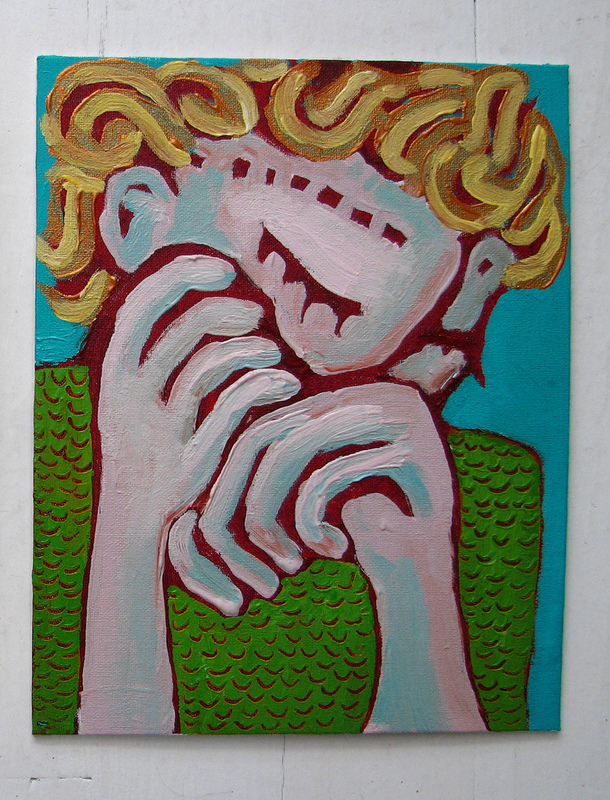
Your heart is pounding. Your breath is short and shallow. You can feel a tightness in your neck, your shoulders, your entire body. Your mind races with worry about what might happen. The more you try to think through the problem, the more worked up you become. You feel like you’re suffocating and your world is crashing in.
When we’re in the middle of anxiety, it can be very difficult to see how to get out of it. Our thoughts, in that moment, feel like the absolute truth; and the speedy, physical sensations that go with it can be excruciating. However, when we commit seriously to our self-care on an ongoing basis, we have a much greater chance of reducing the frequency and intensity of our anxious symptoms. Following, is what I have learned from both my own personal journey with anxiety, as well as from my professional experience as a counsellor and psychotherapist. Read More
10 Ways To Practice Self-Compassion
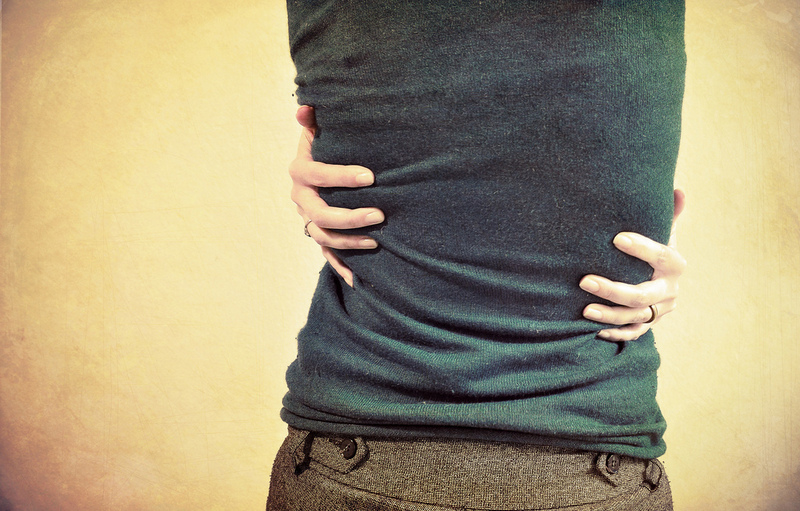
What is self-compassion?
Dr Kirstin Neff, one of the world’s leading experts on self-compassion, explains that it is the same as the feelings of compassion we have for others, only we turn it inward, to ourselves. She says when we feel self-compassion, we acknowledge and feel moved by our own suffering. This in turn, leads us to feel tender toward ourselves and motivates us to want to help, or care for ourselves. It also leads us to be gentle and understanding of our limitations, struggles and mistakes.
When you are hurting and you practice self-compassion rather than ‘soldiering on’ or giving yourself a hard time, you are acknowledging that you are suffering. This then allows space for you to give yourself comfort and support. To have compassion, means to accept and embrace your imperfect humanness.
This short video from The School of Life explains self-compassion beautifully.
Following, are ten possible ways to practice self-compassion. See how many of them work for you…
1. Be kind to your ‘ugly’ bits
Be kind and gentle with the parts of yourself that you are not happy with. This could be the struggle you have with your body image, your shyness, that thing you wish you hadn’t said, your anxiety, your single status, or the texture of your hair. When you berate yourself for being ‘not good enough’, you make yourself feel worse, not better.
Imagine a small child, or a loved one with your ‘problem’; would you bully them for not being perfect? When you are kind and gentle with the parts of yourself you consider undesirable, you can begin to heal. Hurt needs love, not criticism.
2. Move everyday
Contrary to popular belief, your mind and body are not separate entities. They are linked, interconnected, entwined, and interact and affect each other in profound and powerful ways. When you move your body, you move your mind. Moving your body – in whatever way works best for you (walking, swimming, yoga, tree climbing) – helps you to sleep better, gives you more energy, gets you thinking more creatively and reduces stress, anxiety and depression.
If you are interested in exploring this further, the book Move Your Body Tone Your Mood, by Kate F. Hays has more information. Also, Pip Lincolne’s book ‘Craft for the Soul’ has a chapter called ‘Movement is the Key to Happiness and Creativity’ which I found inspiring. Read More
 Toni Jackson